How to Create a Course Using AI - 3 AI-Powered Ways to Create an Online Course (2026 Update)
How to Create a Course Using AI - 3 AI-Powered Ways to Create an Online Course (2026 Update)

By Julian Croft | The Hustlenation
Updated: February 24, 2026
You feel grateful and empowered about what you know, and you decide you want to share it with the world.
Maybe it's about organizing digital files, baking sourdough, sewing, or understanding personal finance. You know people would pay to learn your system, your way of doing things.
But then reality hits. The thought of recording hours of video, editing out all the "ums" and "ahs," designing graphics, and putting your face out there makes you want to close your laptop and never open it again.
The main hurdle? You don't know how to start with the design, the video editing, or creating the assets to showcase what you want to teach.
Solving this is the whole idea of this post.
Today, you'll learn how to create a course on any topic—including the materials, videos, edits, and other assets—using AI to generate a potential source of passive income.
I’m going to share the 3 main ways I use to create these courses.
By the way, my name's Julian, and if you're new here, welcome to the blog.

First, let's fix our mindset. Will AI Make My Course Generic?
It's a great question to which the answer is a firm no.
Think of AI as a tool, like a powerful word processor or a powerful tool at your service.
Your unique experiences, your personal stories, your specific way of solving a problem—that's exactly some magic ingredients no AI can replicate.
When I build a course, I use AI as a research assistant and a first-draft writer.
It handles the heavy lifting of structuring and drafting, so I can focus on the nuance and personality.
When you see the process like that, you remain the director, the expert, and the final editor.
Your voice and your story are what your students will ultimately connect with and pay for.
Method #1: Using an AI chatbot to beat blank page
Basically,
This method uses a general AI chatbot (like ChatGPT, Google Gemini, or Claude) as your brainstorming and outlining powerhouse.
It takes the chaos in your head and turns it into a logical structure.

Photo by Christian Erfurt on Unsplash
Here is one of my processes you can steal:
Start Big Start Big and Give Context - Copy and paste this prompt to watch the magic happen:: "Act as an expert instructional designer. I am creating a course for complete beginners on [Enter your Topic here, e.g., 'Fermenting Vegetables at Home'] . Your task is to help me outline a comprehensive 4-module course, with 3-4 lessons per module. For each lesson, list the key learning objective. The tone should be encouraging and practical."
Find the Gaps by Asking "What are the FAQs?"- This is a crucial step for SEO and student success: "Based on the topic [Your Topic] , what are the 5 most common mistakes beginners make and the 5 most frequently asked questions? I want to proactively address these in my course content to build trust and provide value."
Get Creative with Practical Application: "Suggest 10 practical, engaging homework assignments for a module on [Specific Skill, e.g., 'Troubleshooting a Slow Ferment'] . These should be 'no-busywork' tasks that genuinely help students apply the learning."
I recently read about a graphic designer on Starter Story who was completely paralyzed by the thought of starting her course on logo design.
She took her old blog posts and a list of client FAQs and fed them into an AI with a prompt similar to the ones above. In under an hour, she had a robust, well-structured outline that felt completely true to her voice.
It saved her two weeks of stressful planning and staring at a blank screen.
But what if you're starting from scratch? You don't have a blog, don't what FAQs are (Frequently Asked Questions lol)?
Use the second method I use. Especially if you want to create a course that will include videos and other visual content.
Method #2: Use a Specialized AI Course Creation Tool
My problem is I don't want to ramble on camera, but writing every single word from scratch is exhausting.
Let alone creating videos from scratch, creating graphics, quizzes, creating certificates for the course etc.
I was dead before even starting.
I heard good things about a software, that is not really a software. it's more like an AI tool specialized in the creation of courses.
Another magic tool? Nope.
But something that will reduce the burden.
That's what Course AI is.
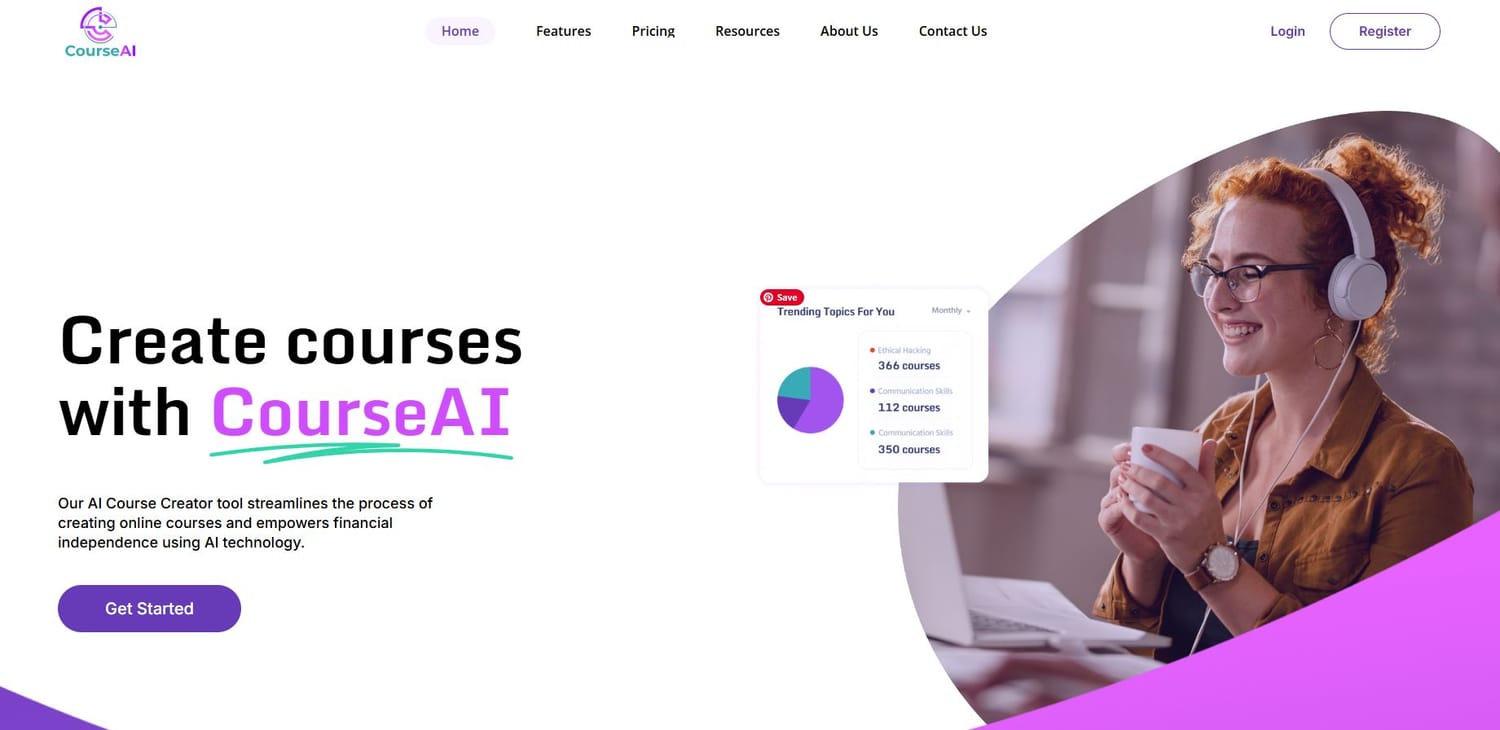
You provide it with your topic, what you want to teach.
It creates a written draft in minutes, allowing you to focus on other assets creation.
You edit the draft, adding your own swift and vision, your own story.
You get out of there with a good course already structured in under 30 minutes.
The main benefit is it creates graphics & videos for you.
It may look quite generic but the real life scenes you will take to showcase your work will make them even better for your students (people who will get the course).
The result is that you can walk away with a well-structured, 80% complete course in under an hour.
Your job is then to add the 20% of personal, real-world magic—like filming a few quick "real life" scenes of your process—that will make the course truly exceptional for your students.
Upon creating the course I suggest making it more personal, adding your own touch will make the course even better.
Method #3: Using Canva
Canva is practically synonymous with online design these days.
If you've been on the internet for any length of time, you've almost certainly heard of it.
The online software allowing to create various assets, and graphics for various tasks and niches.
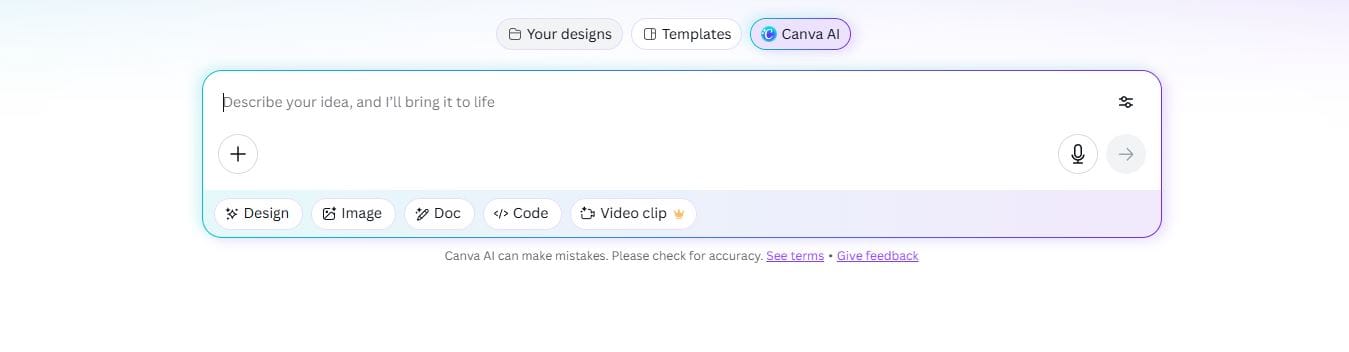
They recently let a new feature live. The AI course creator.
As you'd expect, it leverages Canva's incredible strength: design.
When it generates your course, it doesn't just give you text; it provides beautifully designed, ready-to-use presentation slides for each lesson. This is a massive time-saver.
As the name suggest, it is a course creator. And knowing the number of assets and creators using canva I wouldn't be surprised it's a great tool.
However, upon trying the tool I found out that it's not yet developed or specialized enough like other AI tools offering similar course creation services.
And most abilities require the Pro Version (Not Free).
However, for a simple, elegant, and visually stunning mini-course or lead magnet, it's an unbeatable tool.
And given Canva's rapid pace of innovation, I'd be very surprised if they don't add more robust video and interactive features very soon.
Why a Course is a Smart Income Stream
Course creation is one of the smartest ways to generate passive income.
Because you invest the time and effort once to create a comprehensive, high-value resource on a topic you know and love. You genuinely help people solve a problem or learn a new skill.
And you can get paid for that value for years to come.
A well-conceived course, built with a clear structure and genuine expertise, will continue to attract students long after you've published it. It's the ultimate asset for turning your knowledge into income.
Hope this guide will help anyone starting a course creation path to earn passive revenue.
Frequently Asked Questions (FAQ)
It varies. Using Method 1 for outlining and then writing your own content could take a few weeks. Using Method 2 or 3, you can have a complete first draft of the content in a single afternoon. The timeline then depends on how much additional video/audio you want to record and how much you personalize the material.
Once your content is created, you'll need a place to host it. Popular options include Whop, Thinkific and Teachable (all-in-one platforms for hosting and selling), Podia (great for selling courses alongside memberships and digital downloads), or even Gumroad (a simple option for selling access to the files directly).
A good rule of thumb is to price based on the transformation you provide. A short course on a specific skill (like "How to Ferment Hot Sauce") might be $50-$100. A comprehensive, multi-module program that takes someone from beginner to competent (like "The Complete Guide to Vegetable Fermentation") could be $200-$500 or more. Research competitor pricing in your niche to get a feel for the market.
This is the most common challenge! Your course can actually be a tool to build an audience. Consider creating a mini-course or a valuable cheat sheet (using the methods above) and offering it for free in exchange for email sign-ups. This is called a "lead magnet" and it's a powerful way to start building your list of potential customers.
COMMENTS
BE THE FIRST TO LEARN NEW WAYS TO MAKE MONEY
Learn how to earn money without being 100% involved in the process. Even if you're a beginner.
Learn how to start a private community where people will pay to access your content.
Algorithmic trading uses trading advisors to place trades on the markets to earn profits while you're somewhere else.

12 creative and realistic ideas to turn 10k into 100k for profit. Read more

The New Way to Start Affiliate Marketing. How to make it less time consuming while earning more even as a beginner. Read more
CREATE YOUR OWN TRADING BOT FOR FREE
LET AI TRADE FOR YOU 24/7

By Julian Croft
Julian Croft (Jesse) is the founder of The Hustle Nation, a blog dedicated to helping introverts build genuine passive income (not the hyped one) through faceless, sustainable methods. After a decade in data analysis, he now uses his research skills to cut through the online hype and deliver actionable, trustworthy advice.




The Hustle Nation is your #1 community to find passive income ideas for introverts, side hustle ideas, online side jobs. Join part-time hustlers on the path to financial freedom with proven strategies, tools, and inspiration to benefit from your free time. Learn newest tricks to earn money on the internet without showing your face on a camera. All our posts are not financial advise. Always do Your Own Research for informed decision.